
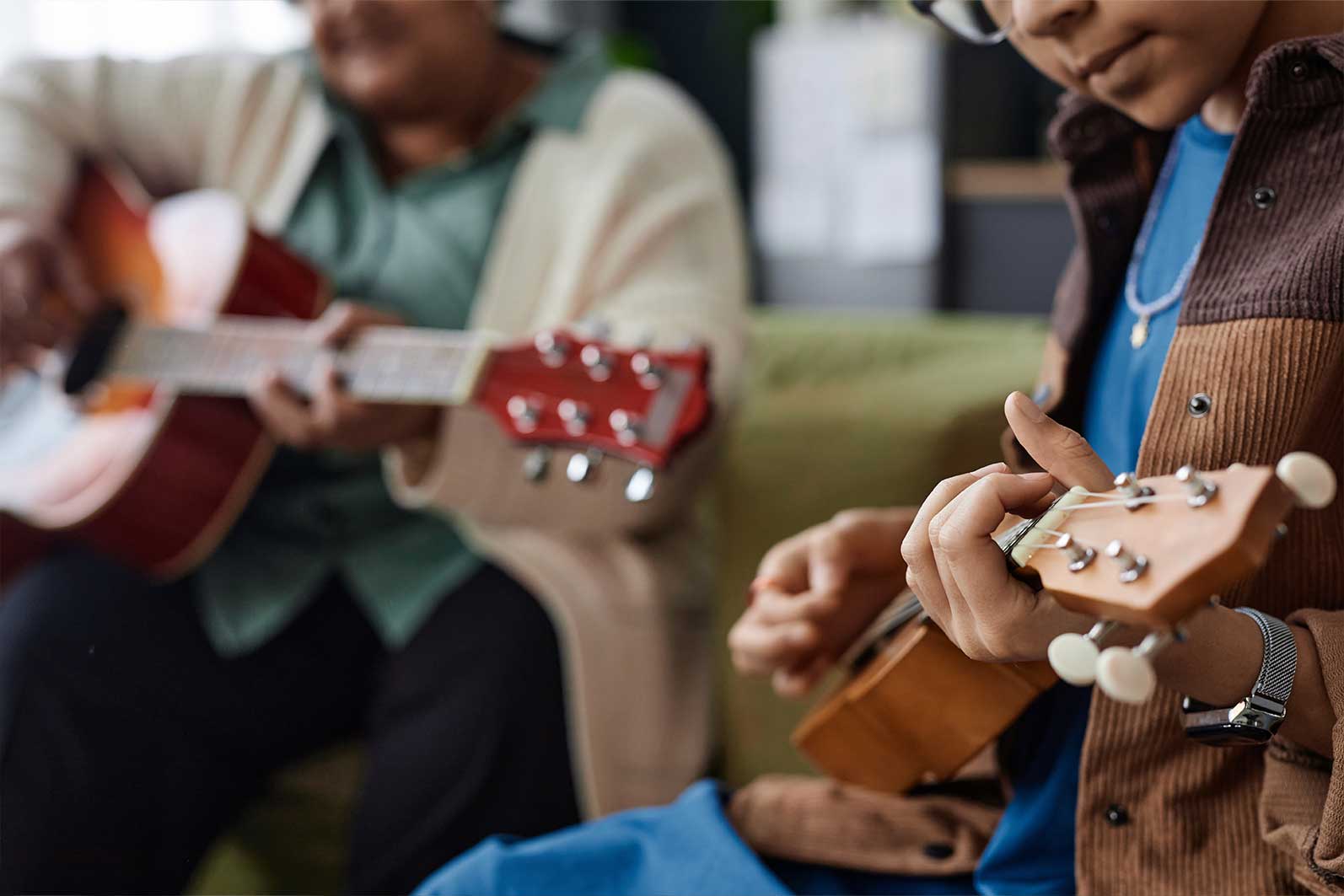
Therapeutic art is deeply rooted in every individual’s innate capacity to create, invent, and reshape their own reality. This organic faculty allows anyone to recreate existing works or artistic expressions to fit their unique life experiences. For instance, a patient might modify the lyrics of a familiar song to mirror their current emotional state more accurately. Consequently, the creative process transforms into a natural and accessible tool for expression and healing.
Furthermore, we must recognize that every human being possesses an inherent and essential state of health. This fundamental condition constantly seeks to synchronize the mind and body in an organic manner. From this perspective, health precedes illness, establishing a solid foundation for any recovery process. Therefore, these two intrinsic faculties support the use of creative expression as an effective pathway toward holistic well-being.
In clinical practice, patients use therapeutic art to explore various responses and possibilities when facing their own challenges. As a result of this practice, individuals align themselves with their ability to discover and connect new elements. This facilitates the generation of a creative product that serves as a profound reflection on their existence. Ultimately, this creative dialogue with the therapist enables a healthier and more conscious relationship with one’s surroundings.
The Benefits of Integrating Therapeutic Art into the Process
When a patient decides to integrate therapeutic art into their treatment, the process unfolds in a spontaneous and enriching way. This occurs, for example, when an individual shares their personal journal, significant songs, or original poetry during a session. By embracing the proposal to generate a creative product, therapy becomes unexpectedly light and much more manageable. Thus, this methodology is ideal for navigating stages marked by deep unease or severe situational problems.
In this context, we understand life’s unease as the destructive expression of typical emotional thoughts. Natural emotions such as anger, sadness, or fear can spiral into rage, depression, or panic if left unaddressed. If we define emotions as intense thoughts, we understand they are energies requiring a healthy outlet. Because of this, if these feelings are suppressed or left unchecked, they tend to seriously harm both personal and collective health.
For this reason, emotional relating plays a leading role within any framework of therapeutic support. Often, our relationship with what we feel is ambiguous, leading us to classify emotions as simply “good” or “bad.” Instead of appreciating them as part of the life cycle, we frequently resist them in hopes of eliminating them entirely. However, emotional crises emerge precisely from that denial, from that inner rigidity and lack of flexibility.
Flexibility and Emotional Recognition Through Creation
The process of therapeutic art intervenes directly to soften mental rigidity and open spaces for recognition. Through creation, a place of appreciation is made possible where emotional repression or neglect does not exist. The tangible result of this process functions like a documentary of our own internal world. Consequently, by paying attention to these signals, emotions become valuable messages that help us understand our lives.
Nevertheless, the general tendency is to push these sensations toward unhealthy extremes due to a cumulative lack of attention. For example, sadness can be distorted into chronic depression, or fear can transform into paranoia. A recurring existential case is bipolar affective disorder, where the subject fluctuates between pathological expressions of euphoria and sadness. In this way, if we do not recycle our emotional waves, we risk inflicting harm on ourselves or others.
Fortunately, therapeutic art allows patients to turn inward to organize emotional confusion. Many individuals experience their reality aggressively simply because they do not know how to manage their own feelings. By recognizing our emotions and making them our friends, we manage to strip away their negative and paralyzing power. In conclusion, the use of creative objects and dialogues offers a pleasant means to achieve a more conscious and healthy life.
