
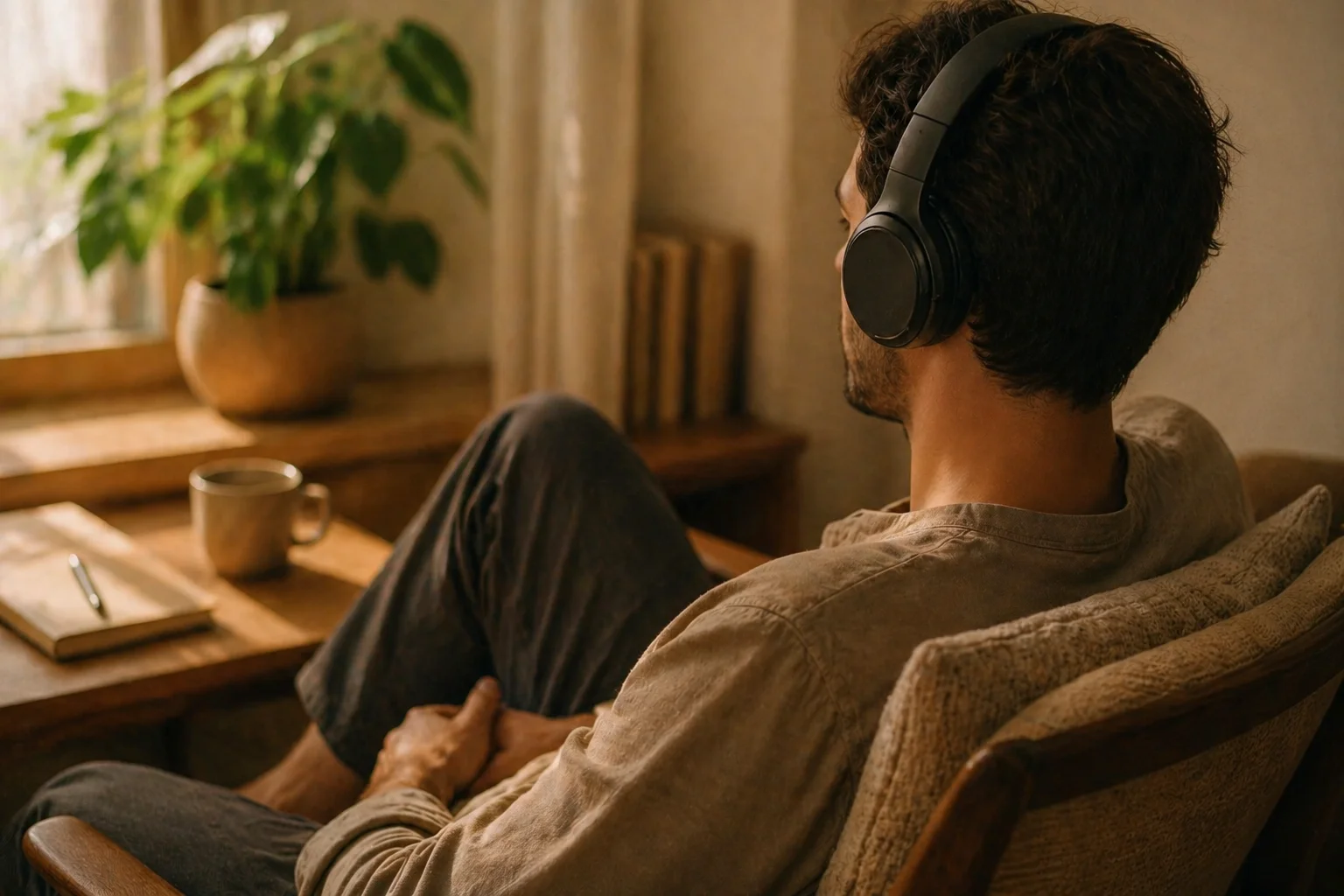
Clinical observation frequently reveals that individuals do not respond to stressors in a uniform manner. Individual reactivity and external agents are critical variables that determine the physiological responses of each person. For this reason, understanding these differences is the first step in learning how to reduce daily stress effectively. Additionally, these variations are often influenced by genetics, childhood experiences, and specific personality traits.
There are family and generational behavioral patterns that repeat over time and affect our overall health. For example, when faced with social exclusion at work, individuals with a high need for connection experience profound distress. In contrast, people with more self-motivated personality traits often perform their tasks without excessive pressure. Consequently, the cognitive interpretations we make of our reality are determining factors in knowing how to reduce daily stress.
Modern theories, such as the Cybernetics of Stress, explain that exhaustion arises from internal processes and unmet goals. Jointly, physical responses can include cardiovascular strain, muscle tension, and an excessive release of cortisol. Emotionally, the individual may move from irritability to deep depression due to a lack of motivation. For this reason, therapy seeks to help the patient understand the hidden cost of their aspirations to regain their peace.
Theories and physiology on how to reduce daily stress
Many patients with occupational burnout experience elevated blood pressure due to the heavy workload they assume to gain recognition. Often, this excessive commitment stems from an ambiguity of roles within corporate management. Once they begin their therapeutic process, they usually discover that satisfying external demands seriously affects their health. Therefore, balance and self-regulation become indispensable tools for discovering how to reduce daily stress.
Music therapy offers various active and receptive methods that are highly useful in treating these conditions. For example, Guided Imagery is an accessible method that allows for immediate emotional regulation through positive images. These mental representations, chosen by the individual, generate a sense of absolute security and control. In this way, the technique affects perception so effectively that it functions similarly to real-life experiences.
The use of these mental images is extremely promising for resolving conflicts in high-pressure situations. Based on ancestral breathing and meditation practices, I developed the Autogenic Music Imagery method in 1992. This self-applied creative practice has been successfully used with patients dealing with physical-emotional pain and chronic anxiety. Thanks to this approach, many people have found a clear answer on how to reduce daily stress through creativity.
The autogenic music imagery method
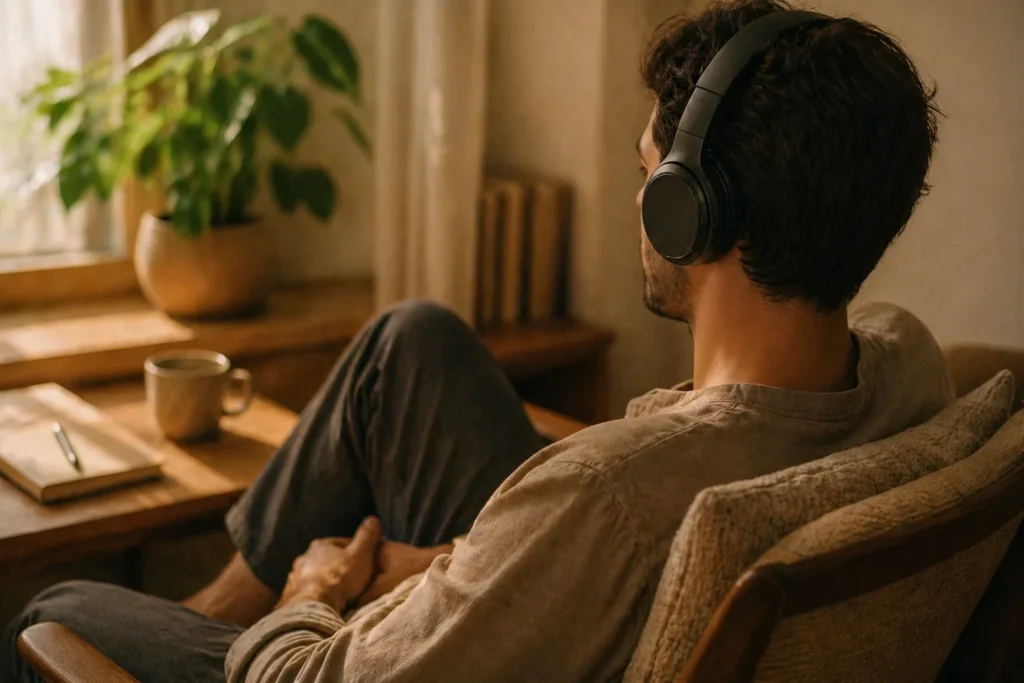
The Autogenic Music Imagery method uses sounds and images to activate the body’s ability to reduce adverse responses. Through this technique, self-directed physiological images are created to promote a state of calm breathing and safety. Generally, an audio recording is made where the patient listens to their own voice reciting wellness affirmations. For this reason, using headphones facilitates the self-induction of a state of deep relaxation in just a few minutes.
Clinical results indicate that the vast majority of patients report a considerable reduction in distress within just three days. This method is based on the idea that exhaustion should not be a permanent phenomenon in our existence. In reality, discomfort is simply a reflection of our inability to manage our emotions and thoughts. Consequently, learning to manage one’s own system is the definitive key to how to reduce daily stress.
In this sense, creative practices help change perspective to understand that the problem is not the circumstance, but the management of life. A fundamental aspect is discovering how each challenge can become a springboard to harness our internal potential. By facing trials with greater clarity and serenity, anguish disappears from our daily routine. In conclusion, creativity allows us to manage existence with the greatest possible harmony to improve our health.

