

Parenting guidance is fundamental within any current therapeutic framework. Especially, it is vital when treating children, teenagers, and even young adults. A large part of their severe life difficulties originates directly at home. These profound existential crises have their root in the complex daily family dynamic. Specifically, they arise from the progressive degeneration of the parental or family bond. Therefore, actively addressing the family is a totally indispensable clinical step. In this way, we guarantee deep, true, and lasting healing over time. Individual youth therapy always requires this systemic support from the home environment.
During an initial clinical interview, I noticed a very destructive family pattern. Mrs. Marta is the mother of an 18-year-old neurodivergent young woman. Constantly, she answered for her daughter with strong looks of reproach and frustration. Furthermore, she incisively corrected her every time the girl tried to answer my questions. The mother focused solely on the apparent rebellion and filial disrespect. She bitterly complained that her room was always a total mess. She added that she did not perform academically, had no friends, and answered poorly. Certainly, this tense environment generated an enormous emotional burden in the office.
In the heat of her immense complaint, I decided to intervene directly. I calmly asked if she could point out a talent or virtue in her daughter. After a long and uncomfortable silence, she finally answered very dryly. She only managed to say: “Well, at least she is not selfish.” Evidently, this classic pattern of constant invalidation toward the young woman had a hidden origin. It came from Mrs. Marta’s own deep and painful mother wound. She herself grew up feeling cruelly rejected and minimized by her own biological mother. This painful dynamic clearly demonstrates why parenting guidance is so crucial today.
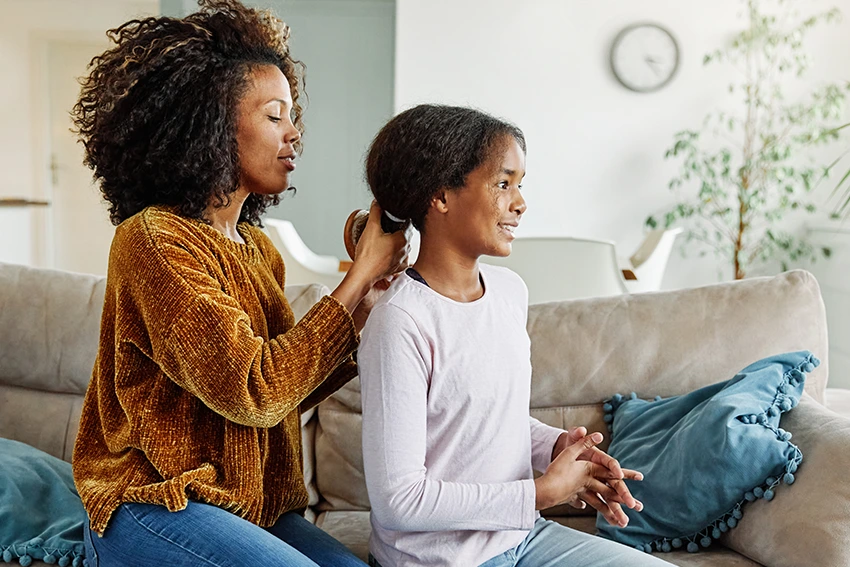
Parenting guidance to heal intergenerational wounds
The most creative and effective parenting guidance offers a very safe space. This environment develops subtly within the clinical therapy of their own children. Primarily, this approach allows adults to notice their own inherited intergenerational patterns. Frequently, these repetitive and unconscious behaviors are severely affecting the bond with their descendants. Consequently, these rigid toxic patterns tend to originate non-adaptive juvenile behaviors. Becoming aware of this silent transmission of trauma is the first great healing step. The main objective is to break this painful family cycle in a totally definitive way. Only then is true peace restored at home.
In this clinical case, instructing Mrs. Marta was extremely useful and necessary. We talked deeply about the painful mother wound she probably suffered in childhood. This great wound occurred when her mom only offered her physical and material support. However, she never provided the much-needed emotional, affective, or psychological support. In her profound therapeutic insight, she recognized a very hard truth about her past. She grew up with a mother who barely fulfilled taking care of her automatically. She fed her, bathed her, and took her to school every day without fail.
Nevertheless, that distant mother never provided security, full attention, or human warmth. Sadly, Marta confessed through tears that she never felt truly loved by her mom. It is extremely important to highlight that this severe form of emotional neglect is devastating. Furthermore, it applies exactly the same with the father wound in many other clinical cases. This severe attachment wound drastically affects the individual’s self-esteem in the future. Also, it destroys the ability to relate healthily with other people in the close environment. Finally, it generates an enormous difficulty in recognizing and managing internal emotions. For all this, parenting guidance becomes absolutely necessary.
Creative tools
Unfortunately, Mrs. Marta projected her old mother wound directly onto her daughter. At the same time, this harsh unconscious projection severely affected the young woman’s mental health. Consequently, the girl developed strong clinical symptoms of chronic anxiety and deep depression. Marta flatly rejected all the negative emotions that her own daughter showed daily. She even went so far as to reprimand her very severely for daring to express them. Her great difficulty in responding with real empathy prevented any genuine emotional help. She simply could not teach her to manage or communicate her difficult feelings properly. The affective block was total and very evident.
Marta experienced exactly this same problem as a youth with her own biological mother. Back then, her mother rigidly demanded that she always get very good school grades. She also demanded that she quickly become a highly prestigious, recognized, and successful professional. Basically, she expected Marta to satisfy her own adult needs for social recognition and validation. To break this cycle, we applied a very powerful creative tool in Marta’s case. We asked her to write an open, honest, and symbolic letter to her mother. All this occurred during a highly moving and intense parenting guidance session.
While writing this cathartic letter, Marta listened to her favorite song from her youth. She listened attentively to “Hijo de la luna” by the famous Spanish musical group Mecano. This first great artistic catharsis helped her immensely to accept her repressed pain. She deeply understood that she needed to follow a consistent and dedicated clinical therapy process. Likewise, she agreed to evaluate a possible underlying depression by attending a specialist psychiatrist. Finally, becoming aware of her own maternal attachment wound was a resounding success. It allowed her, progressively, to be much more emotionally available for her neurodivergent daughter. Definitely, creative parenting guidance transforms entire families from love.

