

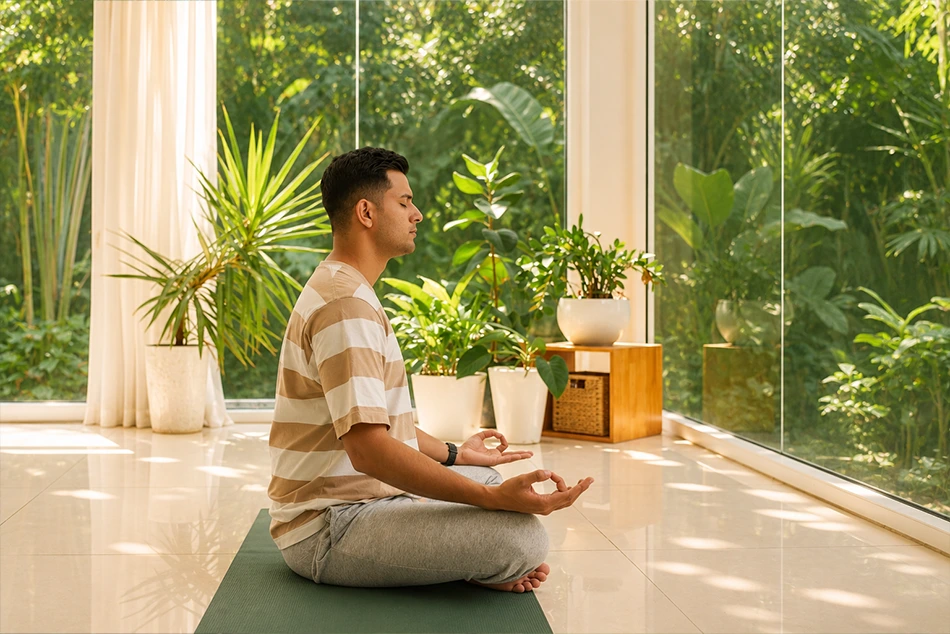
Meditation and contemplation are valuable ancestral practices. These wonderful tools come from different ancient original cultures. Fortunately, they have been transmitted and kept active throughout many generations. The common denominator of both is, basically, paying full attention. Thus, we manage to lead a fully conscious and balanced life. Today, applying therapeutic meditation is fundamental for our health. Primarily, it helps us heal the body and mind simultaneously. Consequently, these wise ancient practices always seek the integral well-being of the human being. Definitely, reconnecting with our inner essence is a vital step to live better.
For example, the Wayuu culture inhabits the Venezuelan and Colombian territory. For them, contemplation is a practice of deep daily connection. It allows them to connect with their sacred territory (Woummain) and their dreams (Lapü). It also links them strongly with their vast ancestral spirituality. Specifically, they understand the sequence of interactions between beings and things. They greatly appreciate the immense variety of relationships emanating from existence. Meanwhile, in India, another highly healing ancient vision arises. There, meditation is born directly from the sacred Vedas and Upanishads texts. This technique serves to transcend the limitations of human egomania. Finally, it allows harmoniously connecting with higher universal forces.
Unfortunately, the modern individual does not dedicate enough time to their own health. Usually, they are not an active agent of their personal well-being. Rather, they become totally dependent on the traditional medical system when sick. They lack real awareness of daily internal and external factors. These factors severely affect their physical health and mental stability. Therefore, therapeutic meditation helps us pay attention to our mind. It allows us to listen to the valuable messages our own body generates. Thus, we manage to deeply connect with what we feel physically and mentally. Consequently, we immediately awaken our inner healing power.
Emotional regulation and therapeutic meditation in addictions
In my daily practice, I integrate very diverse and compassionate knowledge. I am a yoga instructor with a strong and proud indigenous heritage. Constantly, I have resorted to therapeutic meditation and ancestral contemplation. I use these tools in clinical cases requiring immediate attention. Specifically, they serve to reduce daily overwhelm and regulate overflowing emotions. Furthermore, they help modify the impulsive behavior of young patients. They also greatly strengthen the necessary emotional resilience in the face of crises. Therefore, this integration of techniques offers truly surprising and positive clinical results. Holistic healing always addresses the hidden root of the problem.
In my experience, I frequently work with patients with severe addictions. They consume psychotropic substances and face great challenges every day. During their clinical recovery, the pain of withdrawal is felt bodily. Definitely, this enormous physical suffering is not imaginary at all. This bodily pain is real, intense, and very exhausting. Constantly, it reminds the person of everything they must face. Undoubtedly, taking action toward recovery requires a lot of courage on their part. Consequently, therapeutic meditation offers a safe and compassionate refuge. It helps sustain the person during this difficult physical detoxification process.
Pain always reminds the person of their harsh current reality. It is highly conducive to recognize their personal situation with total honesty. Likewise, it is vital to understand the true purpose of the guided contemplative process. Meditating or contemplating does not try to magically transform their pain into pleasure. Rather, it seeks to develop their capacity for deep internal understanding. Fortunately, when this understanding arises, bodily symptoms begin to dilute progressively. The calm mind manages to relax the enormous muscular tension of the addicted body. Finally, the patient regains control over their own automatic reactions. In conclusion, therapeutic meditation transforms human suffering into valuable life learning.
The case of José
Brief therapeutic meditation in action is highly effective and fast. It was very useful to regulate the emotional distress of my patients. Particularly, it helped one of them through conscious physical work. José experienced strong withdrawal symptoms in the health center. He felt acute abdominal pain, motor agitation, high fever, and constant irritation. Unfortunately, the staff on duty could not communicate with the resident psychiatrist. Faced with such a difficult situation, we decided to act quickly while waiting for her appearance. We proceeded to attend to José to alleviate his enormous physical suffering. Immediate compassionate intervention was totally necessary at that precise moment.
I invited him to calmly enter our private clinical office. With the valuable help of two center users, we started the approach. First, I explained to the group what this emergency musical intervention would consist of. Then, we began to improvise on a very simple meditative yoga sequence. This well-known rhythmic physical sequence is traditionally called the sun salutation. Previously, I informed José that my assistant would improvise music on the piano. With this beautiful acoustic accompaniment, we focused on the sequence and deep breathing. I suggested the group surrender fully to the present experience. We indicated that they could later perform it in their own free time.
As we moved, a wonderful change occurred. José began to truly realize his own internal situation. Before, he had not even noticed that he was suffering so much physically. While he became aware, his strong general agitation visibly reduced. Upon finishing each sequence, we invited the group to share their experiences. The first thing José said was very revealing and healing. He stated that he felt very comfortable listening to the sound of the piano. Moreover, he remembered with astonishment that he had not exercised since he fell into drugs. By the end, many of his physical symptoms had attenuated. This brief therapeutic meditation uses sensory perceptions to connect with physical realit

